EnContextoSocial.com
Bandera de DO
Inteligencia Editorial

EnContexto Social utiliza inteligencia artificial avanzada para recopilar, analizar y presentar noticias verificadas de la República Dominicana en tiempo real.

SECCIONES

Nacionales

Deportes

Economía

Mundo

Turismo

LEGAL

Términos de Uso

Privacidad

Cookies

Contacto

Sobre Nosotros

Administración

BOLETÍN DIARIO

Recibe las noticias más importantes a primera hora de la mañana. Sin spam, solo información.

​
© 2026 Noticias RD AI. Todos los derechos reservados
SISTEMAS OPERATIVOS
Internacional

"Million-year-old" fossil skulls from China are far older—and not Denisovans

Ars Technica
Ars Technica
...

...

...

DOP
Análisis Cortex AI Disponible
Activa Cortex AI para generar resumen ejecutivo, métricas de sesgo, contexto y mejorar la redacción.
"Million-year-old" fossil skulls from China are far older—and not Denisovans
Fuente Original
The revised age may help make sense of 2-million-year-old stone tools elsewhere in China....
Imagen principal

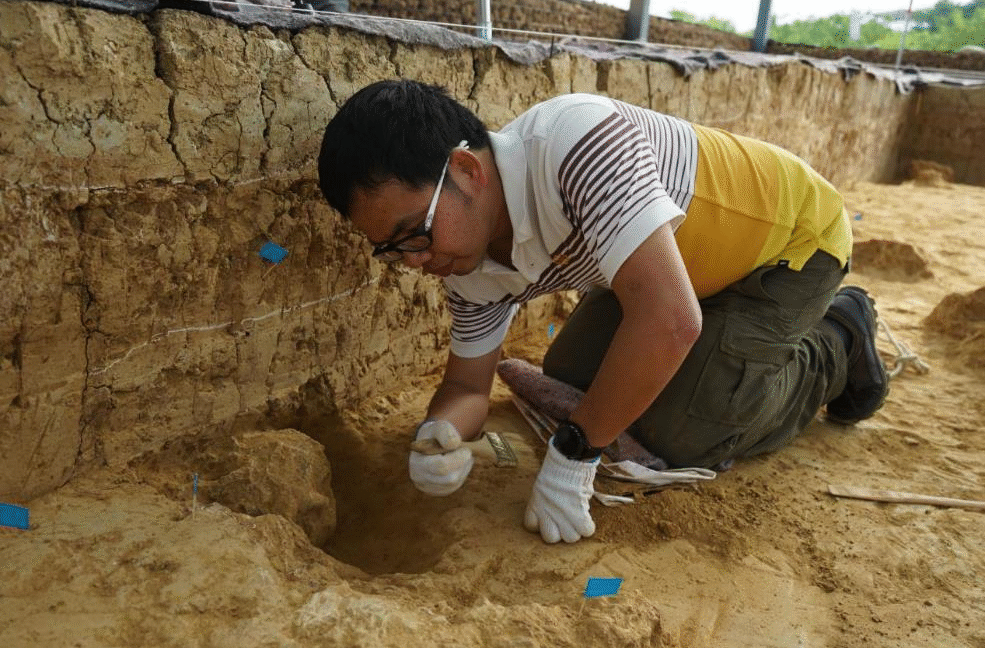
Two skulls from Yunxian, in northern China, aren’t ancestors of Denisovans after all; they’re actually the oldest known Homo erectus fossils in eastern Asia.

A recent study has re-dated the skulls to about 1.77 million years old, which makes them the oldest hominin remains found so far in East Asia. Their age means that Homo erectus (an extinct common ancestor of our species, Neanderthals, and Denisovans) must have spread across the continent much earlier and much faster than we’d previously given them credit for. It also sheds new light on who was making stone tools at some even older archaeological sites in China.

Homo erectus spread like wildfire

Yunxian is an important—and occasionally contentious—archaeological site on the banks of central China’s Han River. Along with hundreds of stone tools and animal bones, the layers of river sediment have yielded three nearly complete hominin skulls (only two of which have been described in a publication so far). Shantou University paleoanthropologist Hua Tu and his colleagues measured the ratio of two isotopes, aluminum-26 and beryllium-10, in grains of quartz from the sediment layer that once held the skulls. The results suggest that Homo erectus lived and died along the Han River 1.77 million years ago. That's just 130,000 years after the species first appeared in Africa.

Read full article

Comments

Fuente Original
Ars Technica
Leer completa

Comentarios (0)
ANTERIOR

El 74% de las intrusiones empresariales proviene del robo de credenciales: OlimpIA acelera la transformación hacia la identidad digital

SIGUIENTE

Investigadores cambian la historia del trabucazo de Mella

Más en Internacional
Ricardo Montaner inicia con “vértigo” en Argentina su gira de regreso a los escenarios
Internacional
🇩🇴
21 feb•4 MIN

Ricardo Montaner inicia con “vértigo” en Argentina su gira de regreso a los escenarios

Este artículo fue publicado originalmente en El Día. Buenos Aires, (EFE).- Ricardo Montaner inicia este sábado en Buenos Aires su gira “El Último Regreso World Tour 2026”, que le llevará por diversos...

El DíaEl Día
Prestianni ya dio su testimonio ante UEFA por el conflicto con Vinicius Junior
Internacional
🇩🇴
20 feb•2 MIN

Prestianni ya dio su testimonio ante UEFA por el conflicto con Vinicius Junior

La denuncia de racismo se dio durante el compromiso entre portugueses y españoles en dieciseisavos de la UEFA Champions League....

ESPNESPN
Fracasa primer evento de therians en México; nadie asistió
Internacional
🇩🇴
21 feb•3 MIN

Fracasa primer evento de therians en México; nadie asistió

Ciudad de México.- El primer evento público en Ciudad de México de los conocidos como ‘therians’, personas que se identifican y actúan como animales, acaparó este viernes un gran interés pero terminó...

RemolachaRemolacha
SANTO DOMINGO
Divisas (DOP)

USD


EUR

Actualizado en tiempo real
El Resumen IA

Recibe cada mañana las 5 noticias que debes saber, analizadas por nuestra inteligencia artificial.

Suscribirme gratis

Lo más leído
Identificando tendencias...
Videos Destacados
ANTERIOR
SIGUIENTE