
Cortex AI Analítica
"Análisis de relevancia para la actualidad."
- Humpback whale populations have dramatically rebounded thanks to conservation efforts.
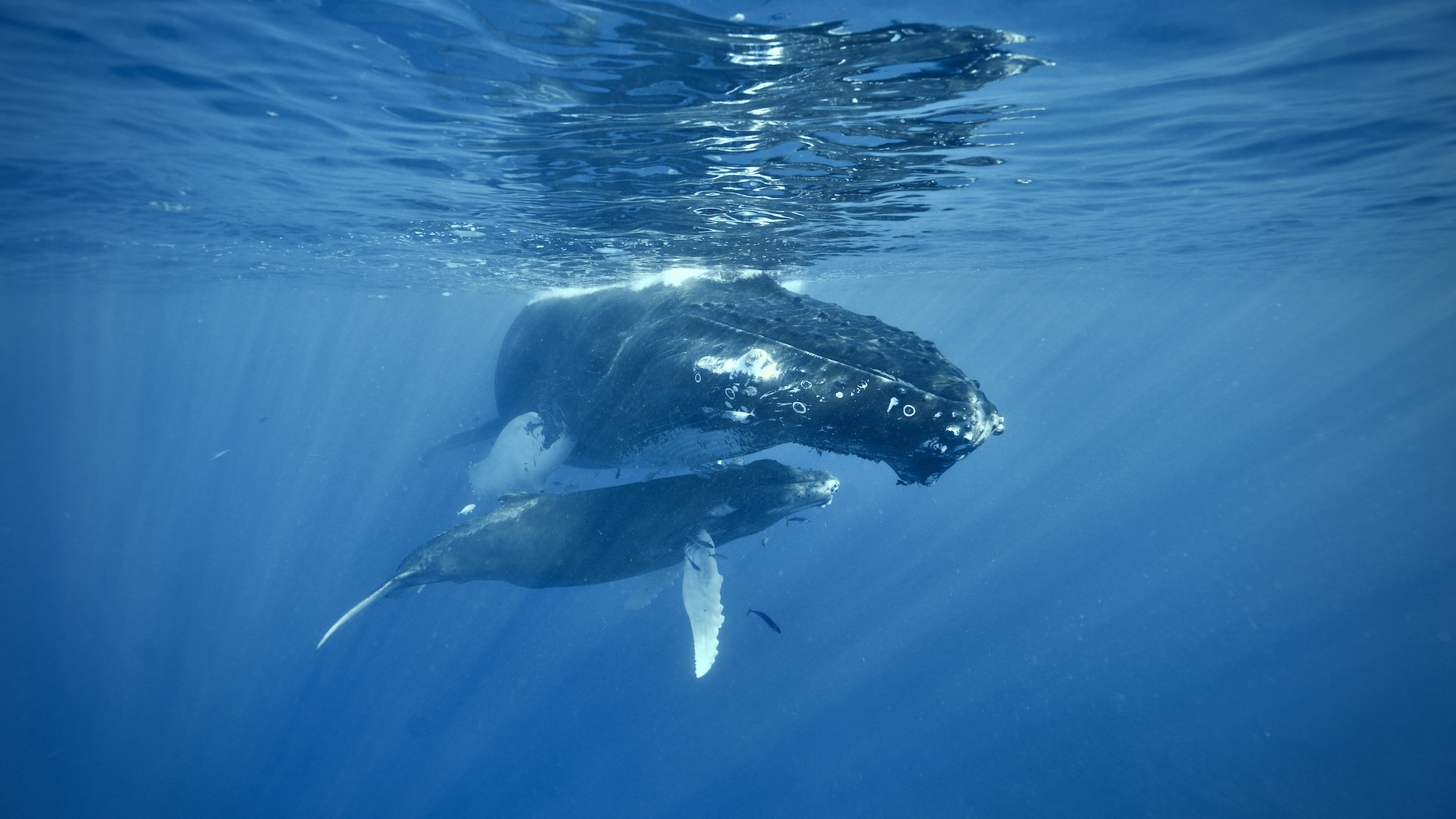
Humpback whale populations have dramatically rebounded thanks to conservation efforts. Credit: Caribbean Cetacean Society
Get the Popular Science daily newsletter💡
Breakthroughs, discoveries, and DIY tips sent six days a week.
The humpback whale (Megaptera novaeangliae) is widely seen as a model success story for wildlife conservation. Prior to the 1986 global ban on commercial whaling, marine biologists estimated only around 10,000 of the marine animals still existed around the world. Today, more than 135,000 of them swim in Earth’s oceans.
This steadily increasing population is a testament to both human environmental stewardship as well as the humpback whale’s own adaptability and intelligence. But even scientists aboard the superyacht-turned-research vessel M/Y Solace were surprised at the sheer number of whales during a recent excursion in the Caribbean. Speaking with Popular Science, the EYOS Expeditions team confirmed that Navidad Bank, a shallow underwater coral formation around 62 miles off the coast of the Dominican Republic, is one of the world’s most densely populated humpback whale breeding grounds.
EYOS Expeditions Discovers Humpback Whale Breeding Ground Near Dominican Republic's Navidad Bank
“This is an extraordinary testament to the power of long-term marine conservation,” Jonathan Delance, Chief Conservation Officer for the Dominican Republic Ministry of Environment and Natural Resources, said in a statement. “Decades of conservation have allowed humpback whales to thrive in Dominican waters, and the density documented at Navidad Bank underscores the global importance of creating a sanctuary for our treasured marine life.”
Depending on their location, humpback whales typically spend much of the year in colder waters closer to the poles, where they feed on abundant sources of krill. As ocean temperatures warm, they instinctually migrate towards breeding grounds around the world, including areas of the Caribbean. Female whales typically gestate for about 11.5 months and usually give birth to a single calf, who then spends around a year with their mother before setting out on their own.
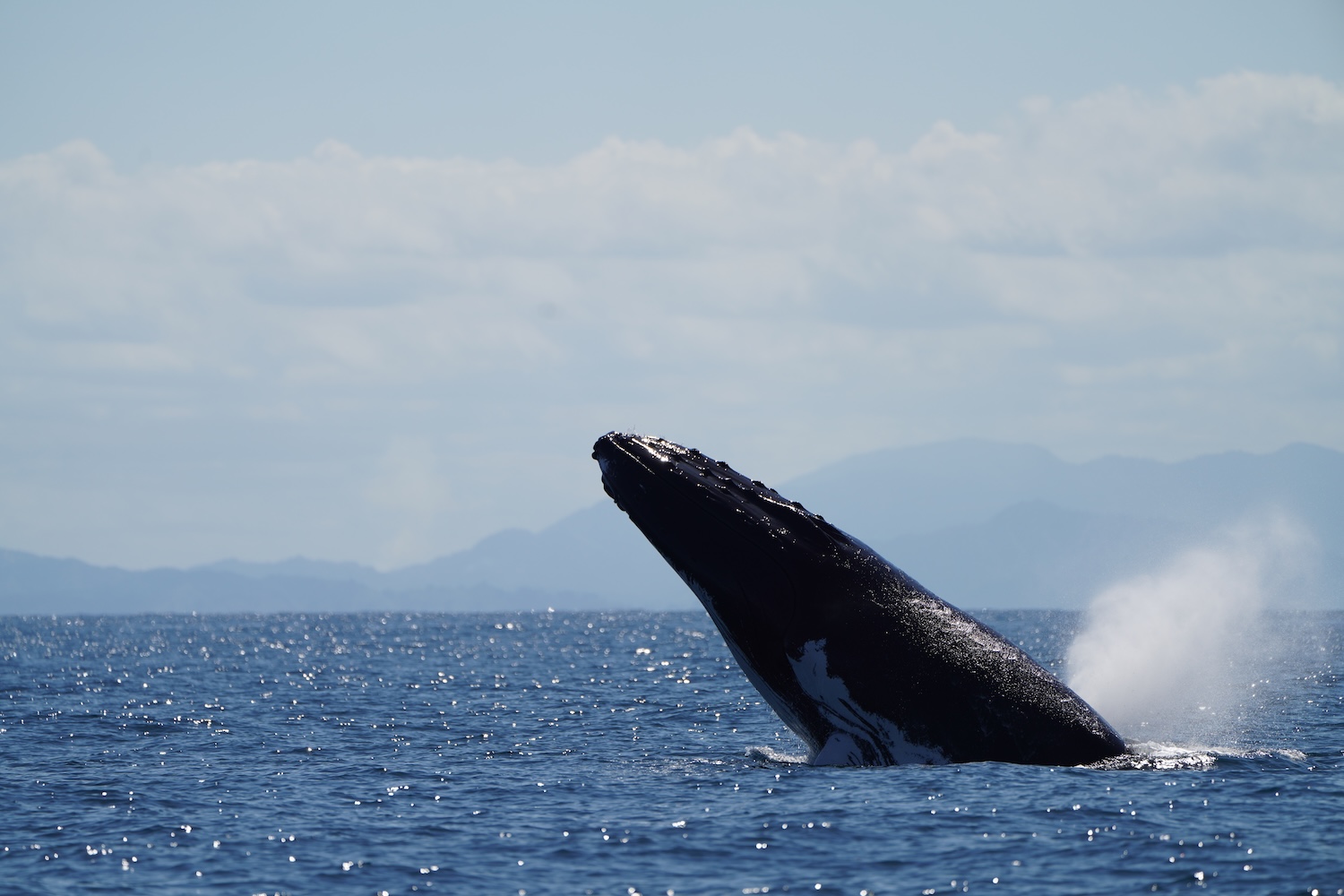
Pregnant humpback whales will typically gestate for 11-12 months before giving birth. Credit: Caribbean Cetacean Society
Orchestrated in collaboration with the Dominican Republic government and the Caribbean Cetacean Society, the visit to Navidad Bank from scientists with Fundación Puntacana and Fundación Dominicana de Estudios Marinos/FUNDEMAR captured incredible footage and images of North Atlantic humpback whales as they traveled amid their winter nursery. The observations culminated with a total of 513 whale sightings in a single day. According to the team, the event is even more incredible knowing that the whales were congregating far before the peak migration period usually spanning March and April.
“We have seen a profound shift toward travel that yields a sense of purpose through genuine exploration,” added EYOS Explorations co-founder Rob McCallum. “Our guests are increasingly…investing their resources into moments that contribute to our understanding of the natural world.”
The full findings will be presented to the International Whaling Commission in the hopes of further emphasizing Navidad Bank’s integral role in helping some of the ocean’s largest and most fascinating animals thrive.

2025 PopSci Best of What’s New
The 50 most important innovations of the year


